

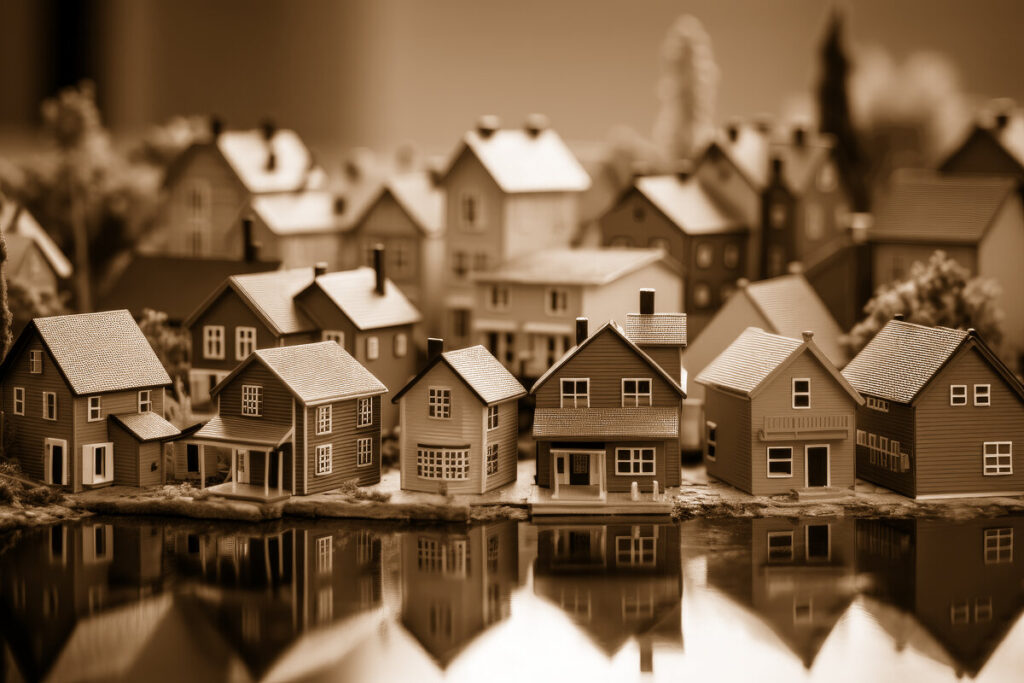
Nestled just south of downtown Asheville, Biltmore Forest is much more than one of the city’s most sought-after neighborhoods—it is a living testament to the region’s rich legacy, architectural grandeur, and community spirit. For over a century, Biltmore Forest has captivated both visitors and residents with its storied origins, picturesque streets, and enduring heritage. Join me as we take a stroll through the history and enduring charm of Biltmore Forest, a cornerstone of Asheville’s distinguished culture.
Origins: Born from a Vanderbilt Legacy
Biltmore Forest’s story begins in the early 20th century, intimately linked to the visionary legacy of George Washington Vanderbilt II, the builder of the iconic Biltmore Estate. After constructing the largest privately owned home in America in the late 1800s, the Vanderbilt family held vast tracts of land surrounding the estate. In the 1920s, Edith Vanderbilt, George’s widow, initiated the sale of land just south of the estate to develop a refined residential community.
- Named directly for its adjacency to the Biltmore Estate and its lush woodland setting, the name “Biltmore Forest” reflects both the grandeur of its neighbor and the natural landscape so treasured by the Vanderbilts.
- Influential figures like Hugh A. McRae and Charles E. Waddell, both prominent civic leaders and landscape architects, oversaw the neighborhood’s strategic planning and layout to ensure that it echoed the graceful, park-like atmosphere of its namesake.
Laying Down Roots: The 1920s and the Dawn of Development
The formal incorporation of the Town of Biltmore Forest took place in 1923, with clear priorities: exclusivity, preservation of natural beauty, and a commitment to elegant, low-density development. Early on, the town passed strict zoning ordinances to foster wide, curving lanes—think White Oak Road and Stuyvesant Road—and mandate large lots set well back from the curb, maintaining a woodland feel throughout.
- The centerpiece soon became the Biltmore Forest Country Club, opened in 1922, which continues to anchor the community today. Its Donald Ross-designed golf course is both a recreational hub and a historic landmark.
- Grand homes and stately estates began emerging along Hilltop Road, Forest Road, and Vanderbilt Road, many modeled in period styles like Georgian Revival, Tudor, and Colonial, some of which are still lovingly preserved today.
Milestones Through the Years
Biltmore Forest’s journey is one defined by careful stewardship and a clear vision. Its early leaders established the town as a refuge for families seeking privacy, elegant architecture, and proximity to Asheville’s cultural offerings, all while ensuring that the neighborhood retained its tranquil forested character.
Some pivotal moments in Biltmore Forest’s history include:
- The Great Depression: Surprisingly, even during economic hardship, Biltmore Forest’s reputation attracted affluent residents. Construction slowed but did not halt, and the town’s green spaces flourished further as families focused on community and connection.
- Mid-Century Growth: In the post-World War II era, Biltmore Forest quietly expanded. Homes on new streets like Brookside Road and Southwood Road reflected mid-century adaptations while maintaining the high architectural standards set decades earlier.
- Historic Recognition: In 1990, Biltmore Forest was listed on the National Register of Historic Places, acknowledged as a preeminent example of early 20th-century planned communities in the South.
Notable Landmarks and Enduring Institutions
Biltmore Forest’s legacy is written not just in its stately homes but also in beloved local landmarks and civic institutions. Some of these include:
- Biltmore Forest Country Club: More than a golf course, it is the social heart of the neighborhood and a major employer. The historic clubhouse, expanded over the years, remains a center for community events, celebrations, and shared traditions.
- Town Hall on Vanderbilt Road: Housed in a charming, cottage-inspired building, Biltmore Forest’s government offices reflect the neighborhood’s commitment to approachable, resident-focused governance.
- Cathedral of All Souls: Just north of the neighborhood in Biltmore Village, this stunning stone church—commissioned by George Vanderbilt—connects Biltmore Forest residents to the broader Asheville heritage.
- Greenways and Woodland Parks: While Biltmore Forest has intentionally preserved private woodlands, neighbors often walk or bike the leafy lanes, enjoying mini-parks and green spaces, such as those along Brooklawn Chase and Hilltop Road.
Streets We Love: Character in Every Corner
A defining delight in Biltmore Forest is the sense of discovery along its winding roads:
- Stuyvesant Road: Lined with some of the area’s grandest homes and century-old trees, Stuyvesant is the quintessential drive for visitors and residents alike.
- Cedarcliff Road: Known for its rolling curves and hidden garden lots, Cedarcliff feels a bit like a secret passage through time, showcasing architectural innovation and vintage charm.
- Hendersonville Road: While technically marking the eastern boundary, this bustling thoroughfare provides easy access for Biltmore Forest residents to all of Asheville’s urban amenities.
Biltmore Forest Today: Heritage Meets Community
Today, Biltmore Forest remains a beacon of Asheville’s heritage. The neighborhood has welcomed new generations, many of whom are passionate about honoring its historic character while fostering a sense of inclusion. Wander down Forest Road, and you’re likely to pass neighbors walking their dogs, children biking in the shade, or residents pausing to appreciate the blooming rhododendrons.
- Community engagement is alive and well, with active neighborhood associations, garden clubs, and the annual autumn picnic held in the shadow of the country club.
- Preservation is paramount, as seen in thoughtful renovations and landscaping that keep the forested ambiance central to daily life.
What Makes Biltmore Forest Enduringly Special
What sets Biltmore Forest apart is its unique blend of historic pedigree, natural beauty, and strong sense of place. This is a neighborhood where stories are preserved in brick and timber, and where every street whispers of both legacy and new beginnings.
- Residents cherish the balance of privacy and community, heritage and progress.
- Its proximity to Biltmore Village, the Blue Ridge Parkway, and downtown Asheville makes Biltmore Forest a crossroads of past and present—still as captivating as when the first homes rose nearly a century ago.
Whether you’re driving beneath the canopy of mature hardwoods or tracing the footsteps of local history buffs, it’s easy to see why Biltmore Forest stands as one of Asheville’s most beloved neighborhoods—rooted in tradition, and always welcoming to those who appreciate its special blend of Southern charm and timeless elegance.